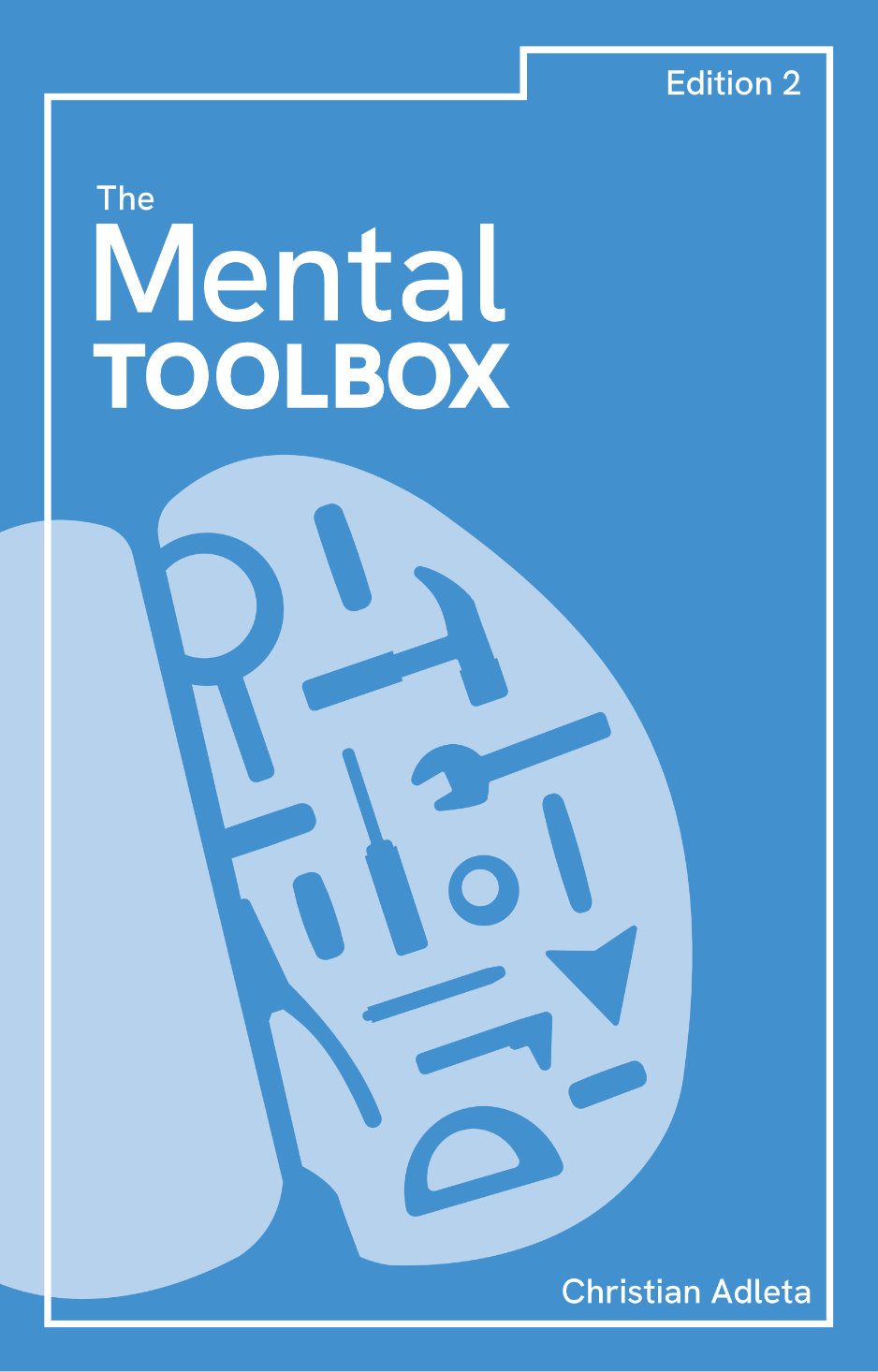
What It Contains
- Eight comprehensive tools for optimizing your mind and maximizing your time and energy
- New tools: Critical Thinking, Habits, Learning, and Monthly Procedures
- Revised tools: Focus (now explores concentration vs. diffused focus), Project Management (formerly Productivity)
- New Checklists section: 90-second lightweight procedures for Focusing and Strategy
- Learning framework combining cognitive science with advice from masters across disciplines
- Critical thinking procedures for problem-solving, decision-making, and contemplation
- Habits procedures for building and mastering behaviors
Why This Edition Exists
The first edition gave me four essential tools—Focus, Productivity, Reading, and Writing—that I used daily. But as I continued using and reflecting on these procedures, I discovered gaps. I needed systematic approaches for learning new skills, building habits, thinking critically, and managing monthly routines. This edition fills those gaps.
The biggest addition is the Learning section. I poured more research and energy into this than any other tool—I wrote more words contemplating how to improve at learning anything than there are in this entire book. Then I condensed it to 43 pages containing only the most essential ideas. I'm most passionate about this section and have enjoyed using and developing it the most.
I also introduced a new format: Checklists. These contain only the most critical considerations and can be read in about 90 seconds. They're designed for situations where you need lightweight guidance without the full procedural depth.
The Eight Tools
Critical Thinking: Reflects on our process of thinking through tasks like problem-solving and decision-making. It offers a series of questions and considerations to get you out of your head and see situations more rationally and from different angles. This set also assists with design and contemplation with wisdom and joy.
Focusing [Revised]: Still facilitates concentration but now explores the relationship between concentration focus and diffused focus. Includes new procedures for overcoming procrastination and distinguishes between different types of focus states.
Habits: The start of a new set of procedures around mastering your own behaviors. Currently optimizes creating new habits, but will eventually contain more procedures for taking ownership and control of habits and behaviors.
Learning: A comprehensive framework for acquiring any skill or area of knowledge. Combines cognitive science with advice from learning masters across disciplines. Covers proficiency levels, goal setting, learning journals, meta-learning research, and the learning loop with key considerations for effective practice and study.
Monthly Procedures: A few routines I do at the beginning of the month: monthly reflection and budgeting. I've been doing monthly reflections for 7 years and upload bullet-point summaries to my website.
Project Management [Revised]: Renamed from Productivity. Received minor updates to the "Rules of Productivity" section. These tools have been beneficial in preventing overexertion while pushing my ability to complete projects.
Reading: Combines speed reading strategies with deep comprehension techniques. Adapt your approach based on your goal for each book.
Writing: Embraces crappy first drafts and the process of rewriting. Includes planning, gathering ideas, drafting, revising with marks, and proofreading.
Impact
By the numbers:
- Published March 2025 (scheduled)
- Expanded from 4 tools to 8 tools plus checklists
- 43 pages dedicated to Learning alone
- Revised and refined based on six months of daily use
- Edited by Ashtyn Faye, illustrations by Eyla Stumbaugh
What changed:
- Created systematic approach for acquiring any skill or knowledge area
- Added lightweight checklists for quick reference during time-sensitive situations
- Deepened understanding of focus by exploring concentration vs. diffused modes
- Established monthly routines for reflection and budgeting
- Built foundation for mastering habits and behaviors
- Refined existing tools based on real-world usage and feedback
Core Philosophy
This book is forged on four essential ideas:
First: Most problems are not unique and can be solved with the same general steps. These tools provide consistent, effective approaches while catching mistakes and offering valuable considerations.
Second: We live in the information age with access to centuries of human experience. It's rare to encounter a problem someone hasn't solved before. Many who came before left clues to help you solve problems yourself.
Third: We need to craft insights into their most essential and simple form to be practical. Most information is bloated; complex ideas aren't practical. This book translates vast amounts of information into necessary considerations in simple, usable, systematic form.
Finally: I believe in iterative improvement. Imperfect, consistent action beats trying to act perfectly in a single try. The goal is to do the next necessary thing, even if done imperfectly.
What I Learned
I learned that becoming aware of how your brain works and how to use it to make a difference in your life is the first step toward becoming a craftsman of the mind. These tools leverage the innate abilities of the mind to increase the impact of your effort.
The Learning section taught me that proficiency follows predictable stages—from unconscious incompetence through conscious incompetence and conscious competence to eventual unconscious competence. Understanding these stages helps set realistic expectations and appropriate learning strategies for each phase.
I also discovered the power of checklists for time-sensitive situations. Sometimes you don't need the full procedure—you just need the critical considerations distilled to 90 seconds of reading.
Future editions will explore:
- Strategy checklists for competitive games and business scenarios
- Expanded Habits section covering behavior modification and breaking bad habits
- Communication tools for effective conversations and presentations
- Physical wellness procedures for exercise, nutrition, and sleep
- Financial tools beyond basic budgeting
- Relationship tools for maintaining meaningful connections
Links
- Amazon: The Mental Toolbox (2nd Edition)
- Previous Edition: The Mental Toolbox (1st Edition)
- Related: Pocket Project Handbook — another procedural reference guide
- Monthly Reflections: christianadleta.com/reflection